
By: Dr. Molly Barb, PT, DPT
Do you have pain in the front of your hip when you squat? Or it feels like you can’t get low enough in the squat without your hip pinching? It may be hip impingement and these small modifications could help.
Let’s take a step back and explain hip impingement first. Your hip is a ball and socket joint made of your thigh bone (femur) and your hip bone (pelvis). This joint is meant to move smoothly in its socket, however some people have more bone growth on the femur (cam deformity) or more bone on the pelvis (pincer deformity) that limits motion. When this happens, it is common to have a pinching sensation in the front of your hip during activities like sitting, bringing your knee to your chest, or squatting.
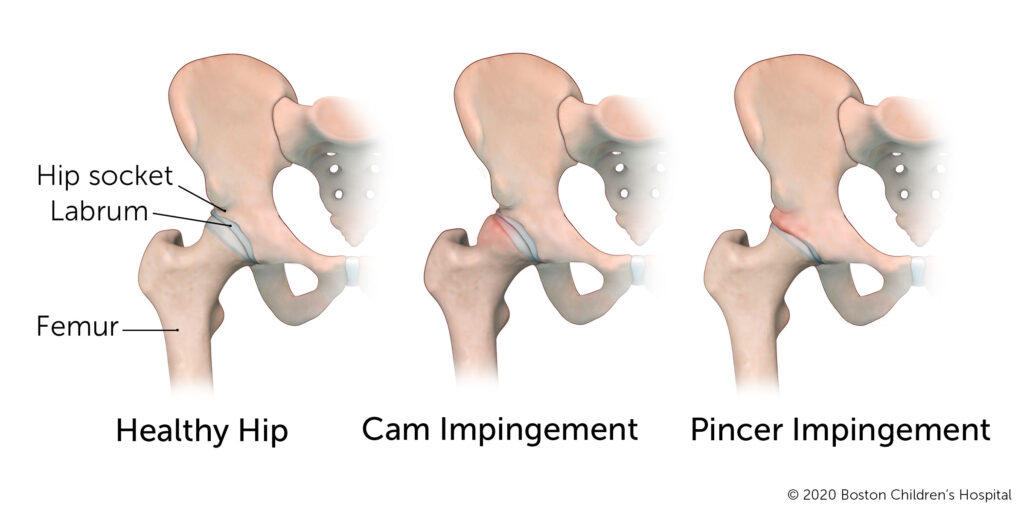
So if this sounds like you – try these squat modifications.
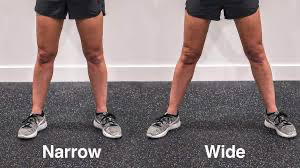
Number 1: use a wider stance and flare out your feet so that your toes point outwards. Both of these will open up your hip joint and give the ball and socket more space to move.
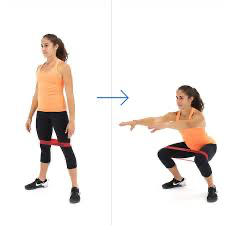
Number 3: Place a resistance band above your knees while you squat. Throughout the entire motion of the squat, push your knees out against the band. This allows your glutes to activate and pull your hip joint away from the impingement.
Keep in mind, there are multiple reasons for hip pain other than hip impingement. If these modifications don’t work, contact our physical therapists for a full evaluation so that you can get back to squatting with no pain!

Please note that the link will come from Phreesia, one of our partner companies.

Hip pain during squats is a common issue that many individuals encounter, often stemming from anatomical variations such as hip impingement. This condition may cause discomfort in the front of the hip joint, particularly when performing movements that require deep bending, like squatting. Understanding the underlying causes of this pain is crucial for effective management and relief.
In addition to hip impingement, other factors such as muscle imbalances, joint stiffness, and improper squat technique can contribute to hip pain. By identifying these issues, individuals can work with physical therapists to develop tailored strategies that enhance movement quality and alleviate discomfort during squats.
Several factors can lead to hip pain during squats, including structural abnormalities and movement patterns. Conditions such as femoral acetabular impingement, labral tears, and bursitis are common culprits that can cause pain and limit range of motion. Recognizing these conditions can help individuals seek appropriate treatment and modify their exercise routines.
Additionally, improper squat form can exacerbate hip pain. Ensuring proper alignment of the knees and hips, maintaining a neutral spine, and engaging core muscles are essential for reducing strain on the hip joint. Consulting with a physical therapist can provide personalized feedback on squat mechanics and help prevent further injury.
Modifying squat techniques can significantly reduce hip pain and enhance overall performance. Techniques such as adjusting foot placement, using a wider stance, or elevating the heels can help alleviate pressure on the hip joint. These modifications allow for a more comfortable range of motion while maintaining the effectiveness of the squat exercise.
Incorporating alternative exercises, such as box squats or goblet squats, can also provide relief while still engaging the lower body. These variations allow individuals to strengthen their legs and hips without exacerbating pain, making it easier to transition back to traditional squats over time.
If hip pain persists despite modifications and self-care strategies, it may be time to consult a physical therapist. Professional evaluation can help identify the root cause of the pain and develop a tailored treatment plan. Early intervention is key to preventing further complications and ensuring a safe return to physical activity.
Physical therapists can provide specialized exercises, manual therapy, and guidance on proper movement patterns. They can also educate individuals on pain management techniques and strategies to prevent future injuries, empowering them to maintain an active lifestyle without discomfort.