
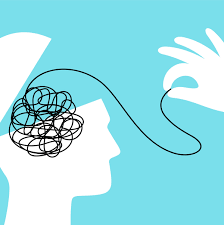
In today’s fast-paced world, achieving overall wellness requires a balance between physical and mental health. While we often focus on fitness, nutrition, and staying active, the mind is just as important in maintaining a well-rounded sense of wellness. The connection between mind and body is strong, and neglecting one can impact he other.
The mind and body are deeply interconnected, working together to influence overall well-being. When your mental health is strained, you may experience physical symptoms such as headaches, fatigue, or muscle tension. Conversely, a lack of physical activity or chronic pain can lead to feelings of stress, anxiety, or depression.
Chronic stress is a prime example of how mental health impacts physical health. When stress levels rise, the body releases hormones like cortisol, which can lead to various physical issues including high blood pressure, a weakened immune system, and digestive problems. Over time, prolonged stress can even increase the risk of eveloping chronic diseases such as heart disease or diabetes.
Physical exercise doesn’t just strengthen muscles and improve cardiovascular health; it also has a profound effect on the brain. Engaging in regular physical activity boosts the production of endorphins, the “feel-good” chemicals, which help to reduce stress, anxiety, and depression. Exercise also promotes better sleep and improves cognitive function, leading to clearer thinking and better emotional resilience.
Achieving the balance between mental and physical health requires intentional practices that nourish both the body and mind. Here are some strategies to help:
1. Incorporate Mindful Movement
Activities like yoga and tai chi emphasize the connection between breath, body, and mind. These practices not only enhance flexibility and strength but also help in reducing stress, promoting mindfulness, and improving emotional well-being.
2. Prioritize Rest and Recovery
Sleep plays a crucial role in mental health. Poor sleep can lead to irritability, mood swings, and difficulty focusing, all of which impact mental wellness. On the other hand, restful sleep restores both the body and mind, improving overall performance and mood throughout the day.
3. Practice Meditation and Mindfulness
Meditation is a powerful tool to calm the mind, reduce anxiety, and promote mental clarity. Taking just a few minutes each day to sit quietly and focus on your breath can help you feel more grounded and in control of your emotions.
4. Stay Active
Regular exercise, even a 30-minute walk, has significant benefits for both body and mind. It can help improve your mood, reduce symptoms of anxiety and depression, and promote a sense of accomplishment and well- being.
5. Maintain Social Connections
Strong social ties are essential for mental wellness. Engaging in positive social interactions with friends, family, or support groups helps reduce feelings of isolation, which can be detrimental to mental health.
The mind and body work together to shape our overall health, and taking care of both is essential for a balanced, fulfilling life. By practicing mindfulness, staying active, and prioritizing mental well-being, you can enhance both your physical and mental health, achieving a true sense of wellness.
Click here to set up an appointment!

Please note that the link will come from Phreesia, one of our partner companies.

why is an active mind essential to wellness, mind and body mental health, physically and mentally healthy, mental health and wellness, mind and body wellness, wellness and mental health, physical wellness connects the body and the mind true or false, physical and mental wellness strategies, physical wellness connects the body and the mind
At ReEnvisionPT, we believe that true wellness encompasses both physical and mental health. Our approach integrates physical therapy with mindfulness and wellness strategies, recognizing that the two are deeply interconnected. By addressing both aspects, we aim to foster a holistic sense of well-being that empowers our clients to lead healthier, more fulfilling lives.
This comprehensive perspective allows us to tailor our services to meet individual needs, ensuring that clients not only recover from physical ailments but also cultivate mental resilience. Through our innovative programs, we invite clients to explore the synergy between their physical activities and mental health practices, creating a balanced lifestyle that promotes overall wellness.
Mindfulness plays a crucial role in enhancing both mental and physical health. By practicing mindfulness techniques, individuals can develop greater awareness of their thoughts and feelings, leading to improved emotional regulation and reduced stress levels. This mental clarity can significantly impact physical health, as a calm mind can contribute to lower blood pressure and improved immune function.
Incorporating mindfulness into daily routines can be as simple as dedicating a few minutes each day to meditation or deep-breathing exercises. Evidence suggests that these practices not only alleviate stress but also enhance the effectiveness of physical therapy, making it easier for clients to engage in their rehabilitation and wellness journeys.
Creating a holistic wellness routine involves integrating physical activity, mindfulness, and social connections into daily life. This multifaceted approach ensures that individuals address all aspects of their well-being, promoting a balanced lifestyle. Simple strategies include setting aside time for exercise, engaging in mindfulness practices, and nurturing relationships with friends and family.
For instance, combining a regular exercise schedule with group activities can enhance motivation and accountability. Additionally, participating in community wellness programs can provide social support, which is vital for mental health. By adopting these strategies, individuals can create a sustainable routine that fosters both physical and mental wellness.
Stress is a significant factor that affects both mental and physical health. Chronic stress can lead to a range of health issues, including anxiety, depression, and various physical ailments such as headaches and digestive problems. Understanding the impact of stress is crucial in developing effective coping strategies that promote overall wellness.
Recognizing stressors and their effects on the body can empower individuals to take proactive steps to manage their stress levels. Techniques such as regular physical activity, mindfulness practices, and adequate sleep can mitigate the adverse effects of stress, leading to improved health outcomes and a better quality of life.