
Hypermobility Ehlers-Danlos Syndrome (hEDS) and Hypermobility
Spectrum Disorder (HSD) are both conditions related to connective tissue
disorders, specifically characterized by joint hypermobility, joint instability,
and chronic pain. Joint hypermobility refers to the ability of joints to move
beyond the normal range of motion.
hEDS is considered a heritable disorder, meaning it can be passed down
through generations. It is one of several subtypes of Ehlers-Danlos
Syndrome (EDS), a group of genetic connective tissue disorders.
Individuals with hEDS often experience joint hypermobility, skin
hyperextensibility (stretchiness), and tissue fragility.
HSD, on the other hand, falls within the broader spectrum of hypermobility-related disorders. It
shares many features with hEDS but may not meet the specific diagnostic criteria for hEDS.
HSD is diagnosed when hypermobility-related symptoms are present but do not fully meet the
criteria for other types of EDS.
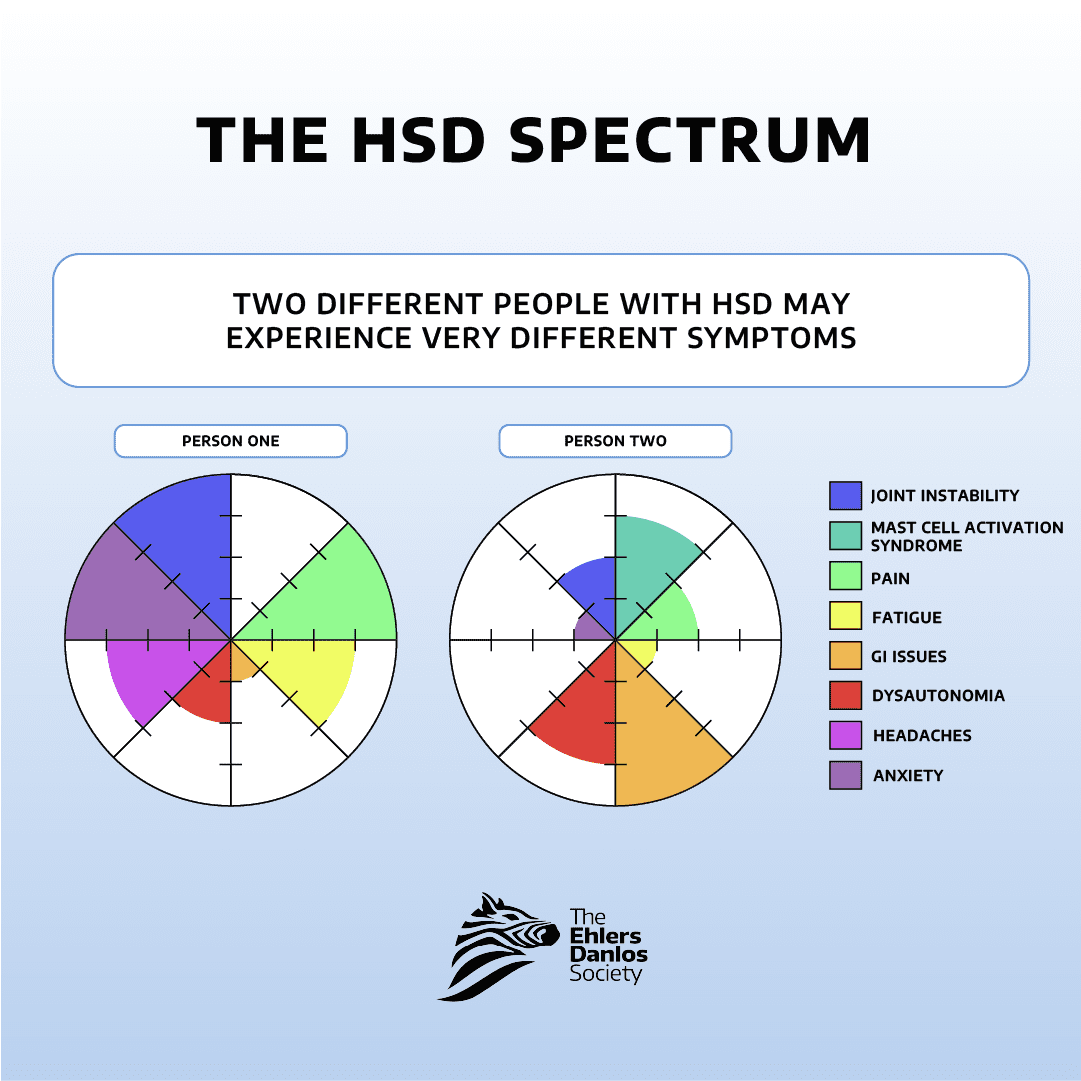
Both hEDS and HSD can manifest with a wide range of symptoms affecting various parts of the
body. These symptoms may include joint pain, fatigue, gastrointestinal issues, cardiovascular
problems, and more. Because of the diverse nature of symptoms, managing these conditions
often requires a multidisciplinary approach involving various healthcare providers, such as
rheumatologists, orthopedists, physical therapists, and pain specialists.

Please note that the link will come from Phreesia, one of our partner companies.

pots, health, management, medications, mental health, skin, consent, treatment, the eds clinic, dysautonomia, hypermobility, hsd, criteria, beighton score, heds, rheumatologist, eds
heds vs hsd, heds treatment, hsd vs heds, heds, hsd symptoms, hsd meaning
Hypermobility Ehlers-Danlos Syndrome (hEDS) and Hypermobility Spectrum Disorder (HSD) are complex connective tissue disorders that significantly impact the lives of those affected. This section aims to provide a comprehensive overview of these conditions, including their definitions, symptoms, and the importance of early diagnosis and intervention.
Individuals with hEDS often present with a range of symptoms, including joint hypermobility, chronic pain, and skin hyperextensibility. HSD encompasses a broader spectrum of hypermobility-related issues, which may include fatigue and gastrointestinal complications. Understanding these disorders is crucial for patients and healthcare providers to implement effective management strategies.
Recognizing the symptoms of hEDS and HSD is vital for timely diagnosis and treatment. Common symptoms include joint pain, frequent dislocations, and fatigue, which can vary in severity among individuals. This section will explore the diagnostic criteria and the importance of a thorough medical history and physical examination.
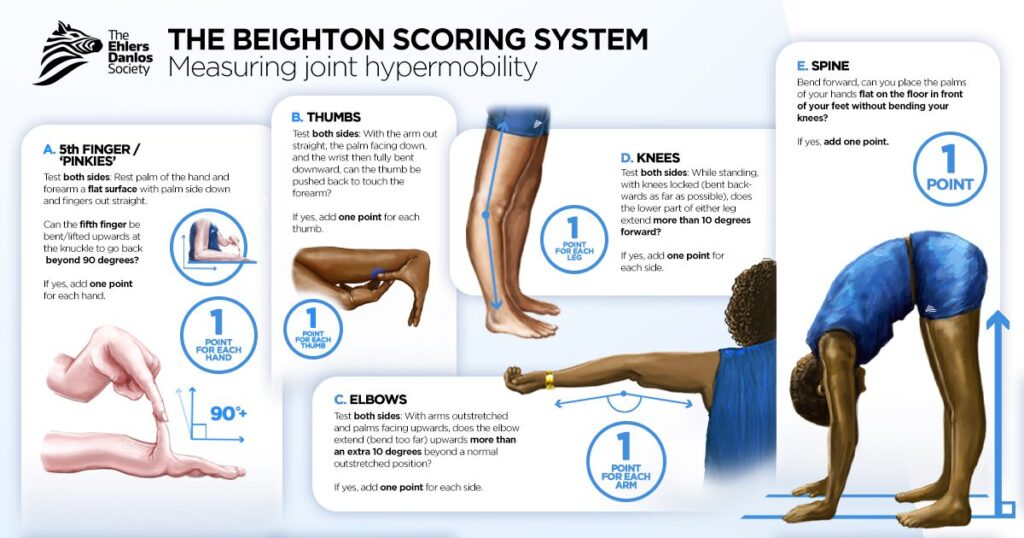
Diagnosis often involves the Beighton score, a standardized measure of joint hypermobility, alongside other clinical assessments. Early diagnosis can lead to more effective management plans, helping patients navigate their symptoms and improve their quality of life.
Managing hEDS and HSD effectively requires a collaborative approach among various healthcare professionals. This section discusses the roles of physical therapists, rheumatologists, and pain specialists in creating a comprehensive treatment plan tailored to the individual’s needs.
Physical therapy plays a crucial role in strengthening muscles, improving joint stability, and enhancing overall function. Other treatment modalities may include medication for pain management, lifestyle modifications, and educational resources to empower patients in self-management.
Living with hEDS and HSD can present unique challenges in daily activities. This section provides practical strategies and tips that individuals can incorporate into their routines to manage symptoms and maintain an active lifestyle.
Examples include pacing activities to avoid fatigue, using assistive devices when necessary, and engaging in low-impact exercises to promote joint stability. Additionally, fostering a supportive network of healthcare providers and community resources can significantly enhance the quality of life for those affected by these conditions.