
This is the second part of a series about Adriaan Louw’s book Why Do I Hurt—a Patient
Book About the Neuroscience of Pain. The author is to be credited, and this book is
highly recommended.
Pain can have a very obvious and local source, like a spot of pain from a stress fracture
or a more complex and widespread source. It’s important to remember that no matter
your situation, your pain is real, your suffering is real, and your experience is valid.
The body has more than 400 individual nerves that are all connected in the nervous
system, like a network of roads. These nerves are the main way the nervous system
communicates, sending signals back and forth.
As we learn more about neuroscience, we’re understanding the crucial role that the nervous system (nerves, spinal cord, and brain) plays in generating pain, especially chronic pain. Chronic pain lasts longer than the normal healing time of tissues.
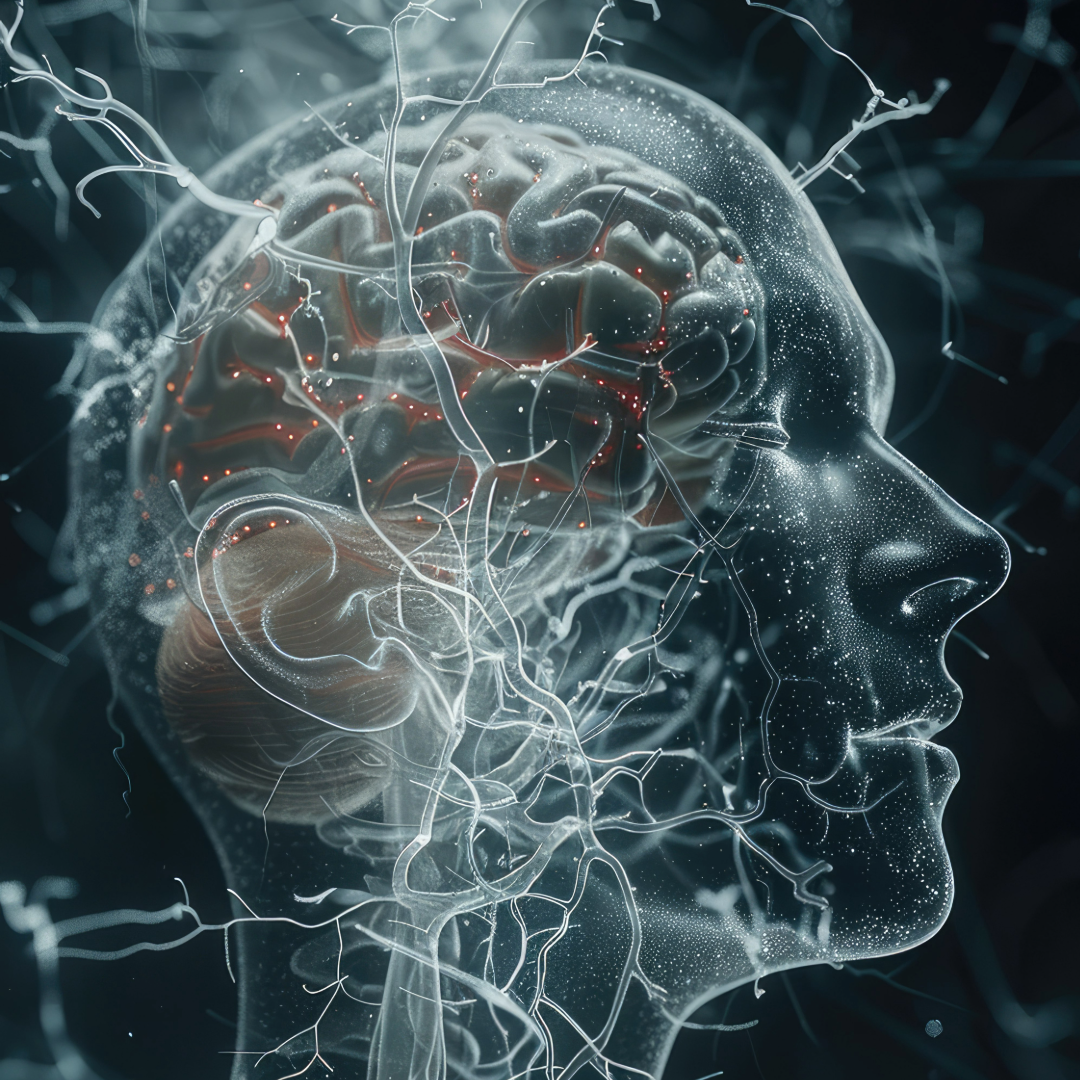
Some nerves work like an alarm system – they have a resting level of activity, but when
something triggers them, they send a signal to the brain. The brain then interprets this
as danger and produces the sensation of pain in response. For example, if you step on
a nail, the nerve activity increases, triggering an alarm that sends a dangerous message
to your brain, causing you to experience a lot of pain. Once the danger is resolved, the
nerve activity returns to its resting level.
In some people and situations, these nerves can remain extra sensitive, and the
nervous system becomes overprotective. In this situation, even small activities or
motions might trigger the alarm and cause pain. This doesn’t necessarily mean there is
increased damage or something wrong; it could simply be a result of increased nerve
sensitivity.
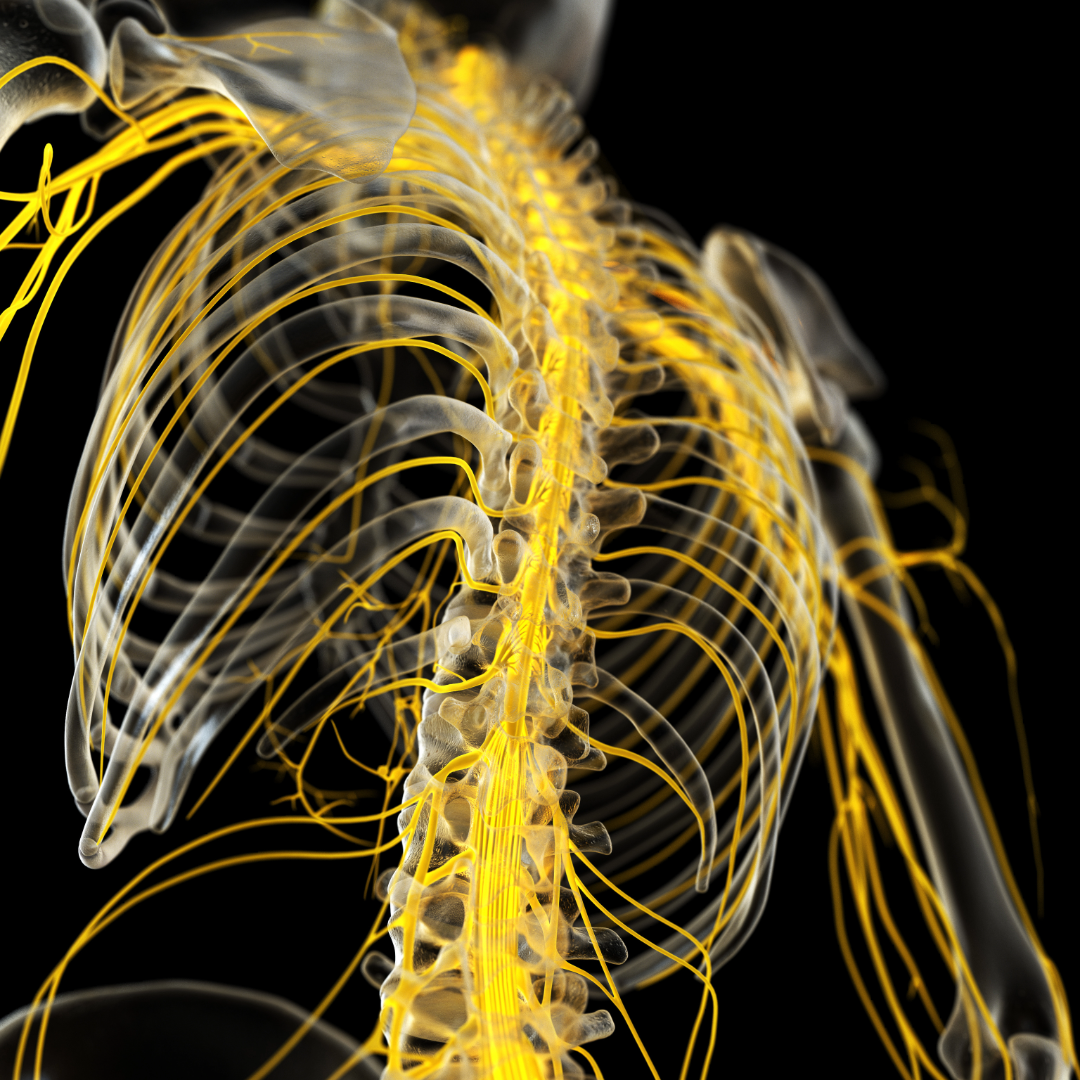
It’s crucial to understand that a sensitized nervous system results in real physical
changes in your body, resulting in increased pain. These changes are real and complex
and not just “in your head”. Thinking about nerves as an alarm system, it’s like having a
house alarm that goes off if someone even knocks on the door due to being
oversensitive.
Stay tuned for the next post as we continue to explore this concept of an overactive
nervous system and how it relates to our symptoms.

Please note that the link will come from Phreesia, one of our partner companies.

whyhurt, why do it hurt, why do i hurt pdf, why do i hurt book, why i hurt, why do i hurt adriaan louw
Understanding pain and its underlying mechanisms is essential for effective pain management. This section delves into the complex relationship between pain perception and the nervous system, highlighting how pain can be both a physical and emotional experience. By grasping these concepts, patients can better navigate their pain journeys and engage more actively in their recovery.
Research has shown that pain is not merely a response to physical injury; it involves intricate processes within the brain and nervous system. For instance, chronic pain conditions can result from the nervous system becoming overly sensitive, leading to heightened pain responses even in the absence of injury. This understanding empowers individuals to seek appropriate therapeutic interventions and adopt strategies that can alleviate their pain.
The nervous system plays a pivotal role in how we perceive and experience pain. It acts as the body's alarm system, detecting potential threats and signaling the brain to respond. Understanding this mechanism is crucial for patients as it provides insight into why certain experiences can lead to chronic pain and how treatment approaches can be tailored accordingly.
For example, when the nervous system is sensitized, even minor stimuli can trigger significant pain responses. This phenomenon highlights the importance of addressing not just the physical aspects of pain but also the neurological factors that contribute to it. Therapeutic techniques, such as cognitive-behavioral therapy and desensitization exercises, can help retrain the nervous system, reducing pain sensitivity over time.
Chronic pain affects millions of people and can stem from various causes, including injuries, medical conditions, and psychological factors. This section explores the different types of chronic pain and emphasizes the importance of a multidisciplinary approach to treatment that addresses both physical and emotional aspects.
Effective management strategies for chronic pain may include physical therapy, medication, lifestyle changes, and psychological support. By combining these approaches, patients can develop comprehensive pain management plans tailored to their unique circumstances, ultimately improving their quality of life and functionality.
As our understanding of pain evolves, so too do the strategies for managing it. This section introduces upcoming concepts in pain management, including innovative therapies and research developments that aim to enhance patient outcomes.