
This is the third post in a series about Adriaan Louw’s book Why Do I Hurt—a Patient
Book About the Neuroscience of Pain. All credit goes to this book and its author, and I
highly recommend it.
Last time, we discussed how some nerves act like an alarm system and can become
overly sensitive. It’s important to note that if you’ve been experiencing pain for a while, it
may not be the only issue at play. While it’s possible that you have a chronically irritated
tendon and the alarm system is functioning normally, prolonged pain is often linked to
increased sensitivity. However, it’s essential to understand that there is no
one-size-fits-all approach to pain, as each person’s experience is unique.
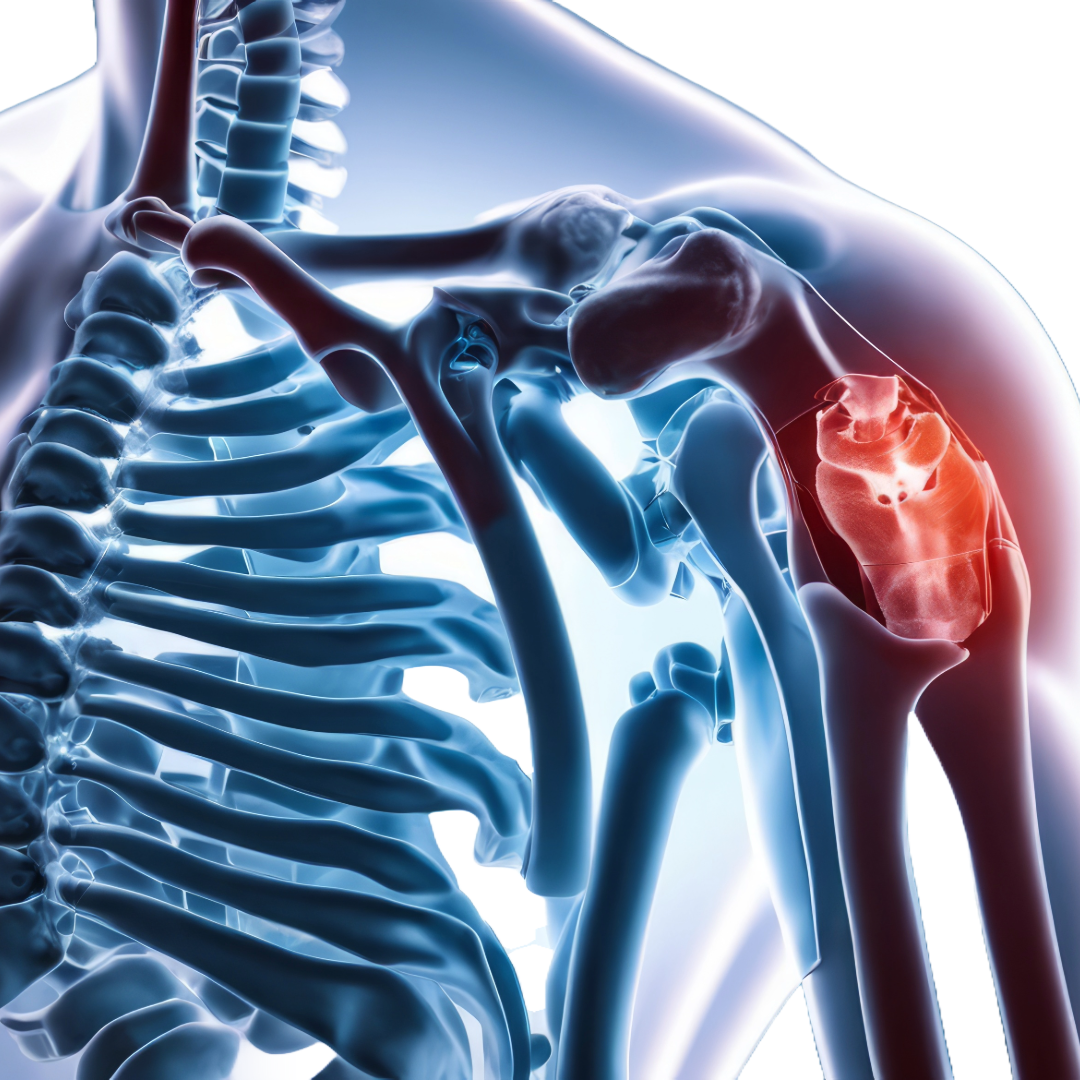
“How can I tell if my alarm system is too sensitive?” This is an important question
because if your alarm is triggered unnecessarily, it can be uncomfortable or painful for
you. It can be challenging to determine if your alarm system is set too sensitive. Check
if any of these situations apply to you:
○ Your activity level before reaching pain has decreased a lot.
○ You instinctively know you have become more sensitive or even
over-sensitive.
○ Pressure on your skin or around the painful area is very sensitive.
○ You are very sensitive when doctors and therapists test or move your body
parts.
○ You are currently on medicine to calm your nerves or anti-depressants.
○ Also you might have noticed increased fatigue, sensitivity to temperatures,
or stress and emotions impacting pain.

It’s important to consider why my nerves remained sensitive after the injury. Comparing
just the injury and recovery time might not give the full picture, as many other factors
contribute to the pain experience. Various factors influence whether the brain keeps the
alarm system activated. Remember, when our body senses danger, it sets off an alarm
system, which can cause us to feel pain. So, anything that makes us feel more
threatened can also make us feel more pain.
This can include but is not limited to, actual tissue damage.
● Other examples that influence the alarm system remaining elevated:
○ Often, people receive different explanations for their dysfunction – maybe
from different health care providers or family members or friends or Dr.
Google, and people have different opinions, and this uncertainty heightens
the alarm system
○ Expectations and past experiences: maybe you hurt yourself in the past
and had a terrible go of it, or maybe you know someone who had a similar
injury and had a terrible go of it, so you consciously or subconsciously
expect your experience to be the same.
○ Pain will impact your family and job. You may have many medical visits,
expensive tests, lost time off work, frustration, and concerns about money,
the future, and your ability to work. This stress and threat provide little
incentive to your brain to turn the alarm system down.
○ Maybe you have tried a variety of treatments that have failed to fix your
problem. Maybe the treatments have helped other people but haven’t
helped you. Maybe your pain has even gotten worse. You might think to
yourself, wow, something really terrible must be going on with me, and no
one can figure it out!
○ So, with all this uncertainty often comes anxiety and fear. We know that
stress, anxiety, and fear, especially involving injury, exercise, or movement
in general, will keep the alarm system turned on rather than off.
When it comes to the alarm system in our body, there are sensors within our nerves that
detect and alert us to changes in our body or surroundings. These sensors can pick up
on things like temperature, stress, movement and pressure, and immunity. This can help
us understand why we may become more sensitive to certain things in our lives or
experience increased pain due to certain factors. For instance, nerve sensors can
detect changes in temperature, so it’s not unusual to feel more sensitive to cold or
experience more aches when it’s cold outside.
Stress leads to the production of chemicals, which can be detected by nerve sensors,
resulting in increased activation of the alarm system. Sensors also respond to
movement and pressure, so even if the movements are not causing any harm, they can
still lead to discomfort. This may also explain why weather and barometric pressure can
impact aches and pains.
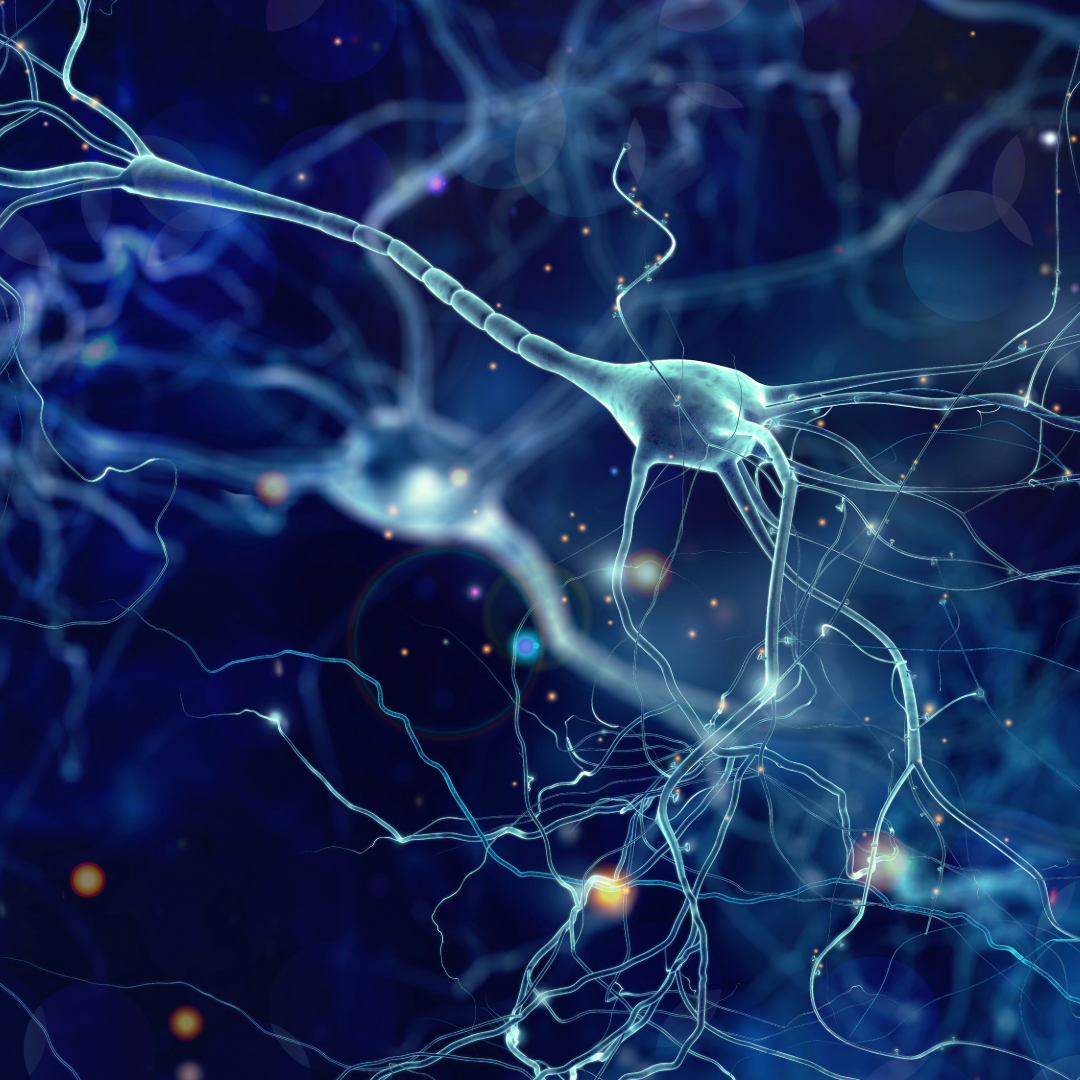
Furthermore, nerves closely monitor our immunity. When we are sick, the body
produces molecules to fight the illness, and nerves can detect these molecules. This
immune response also occurs after surgery or injury, and interestingly, worrying about a
particular body part can trigger an immune response in that area.
In summary, there are numerous factors that contribute to the experience of pain, and it
is a highly complex process. This discussion has only scratched the surface, but it
should help us understand that pain does not always signify tissue damage, and there is
much more to the pain experience than meets the eye.
Stay tuned for post number four

Please note that the link will come from Phreesia, one of our partner companies.

why does my skin hurt to touch, why i hurt, why do i hurt, why do i hurt book, adriaan louw why do i hurt, why you hurt, why you hurt adriaan louw
The journey to comprehend pain begins with an understanding of its complex nature. Pain is not merely a physical sensation; it is a multifaceted experience influenced by biological, psychological, and social factors. This heading encapsulates the essence of the information presented in this series, which aims to demystify pain and provide patients with a clearer understanding of their experiences.
By exploring the neuroscience behind pain, individuals can gain valuable insights into how their bodies react to various stimuli. This knowledge empowers patients to manage their pain more effectively, recognizing that their experiences are valid and that they are not alone in their struggles. Understanding pain through a neuroscientific lens also helps to foster a compassionate approach to treatment and recovery.
The nervous system plays a pivotal role in how we perceive pain. It acts as the body's alarm system, detecting potential threats and signaling discomfort. This section delves into the intricacies of the nervous system, explaining how it processes signals from the body and how these signals can be influenced by various factors, including stress and past experiences.
For example, when the body experiences an injury, the nervous system amplifies the pain signals, which can lead to heightened sensitivity. This phenomenon illustrates why some individuals may perceive pain more intensely than others, even in similar circumstances. Understanding this aspect of pain perception can help patients develop strategies to manage their responses and reduce unnecessary suffering.
Numerous factors can affect an individual's sensitivity to pain, ranging from emotional states to environmental conditions. This heading addresses the various elements that contribute to heightened pain experiences, including anxiety, stress, and previous injuries. Recognizing these factors is crucial for patients seeking to understand their pain better.
For instance, individuals who have experienced trauma may find that their pain responses are more acute due to psychological associations with past events. Additionally, environmental factors such as temperature can exacerbate pain sensitivity, making it essential for patients to consider their surroundings when managing pain. By identifying these influences, patients can take proactive steps in their pain management journey.
Effective pain management requires a multifaceted approach that considers both physical and psychological aspects of pain. This section will explore various strategies that patients can employ to alleviate their discomfort, including physical therapy, mindfulness techniques, and lifestyle adjustments. Understanding these strategies empowers patients to take control of their pain management.
For example, engaging in regular physical activity can help strengthen muscles and improve overall function, reducing pain over time. Additionally, mindfulness practices, such as meditation and deep breathing, can help calm the nervous system and mitigate stress-related pain responses. By adopting a holistic approach to pain management, individuals can enhance their quality of life and foster a greater sense of well-being.